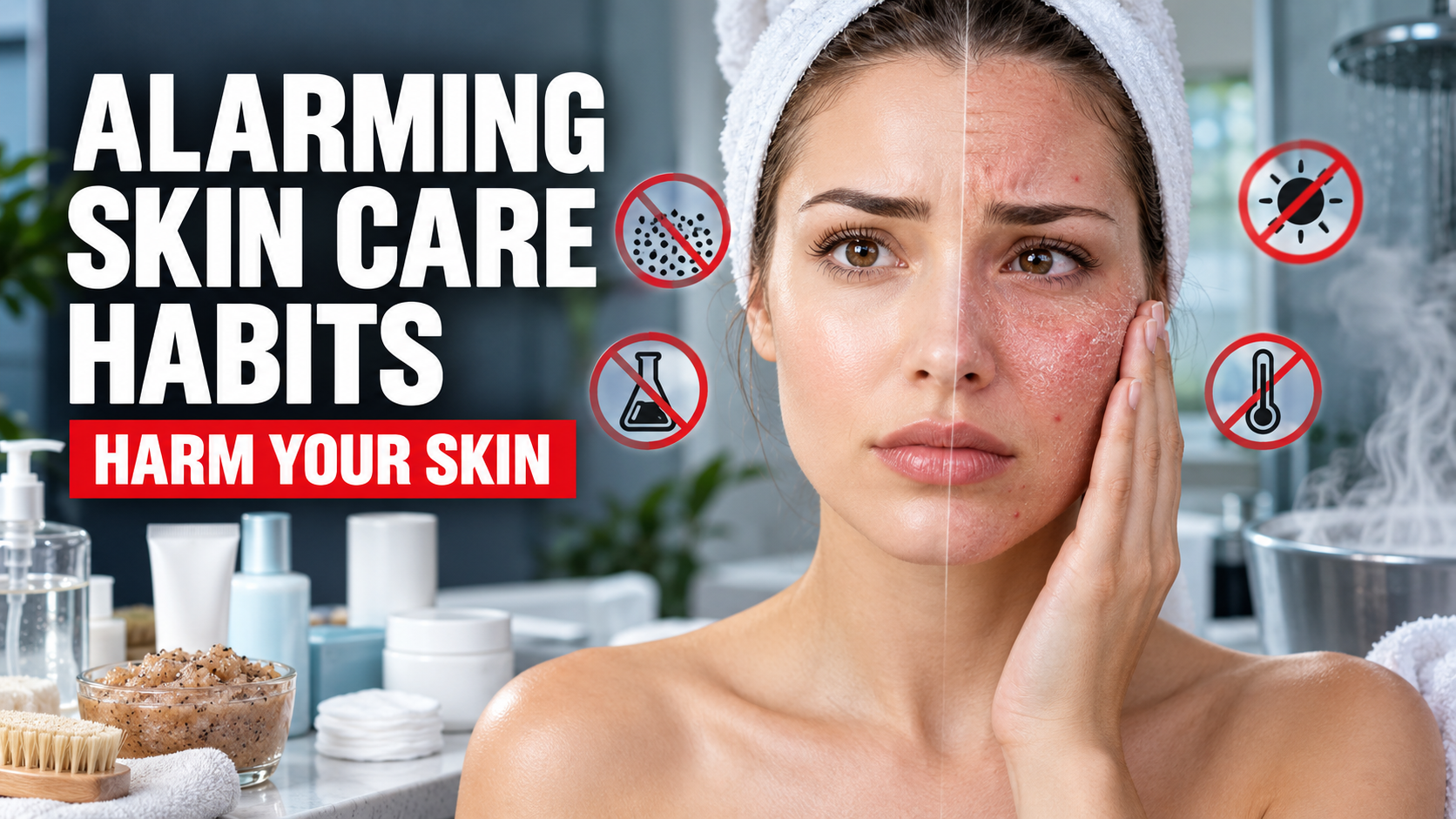
Most people follow a skin care routine because they want clearer, smoother, and healthier-looking skin. Unfortunately, some seemingly harmless habits may have the opposite effect. Excessive cleansing, aggressive exfoliation, skipping sunscreen, and using too many active ingredients can weaken the skin’s protective barrier and trigger irritation.
Here are some common skin care habits that may be doing more harm than good.
1. Washing Your Face Too Often
Cleansing removes dirt, excess oil, makeup, and pollutants. However, repeatedly washing your face throughout the day can strip away the natural oils that protect your skin.
This may leave your face feeling tight, dry, itchy, or unusually sensitive. In some cases, the skin may respond by producing more oil, making breakouts appear worse.
For most people, washing gently in the morning and before bed is enough. Use lukewarm water and a mild cleanser instead of harsh soap.
2. Using Extremely Hot Water
A steaming-hot shower can feel relaxing, but prolonged exposure to hot water may dry and irritate the skin. It can be particularly uncomfortable for people with eczema, rosacea, or naturally sensitive skin.
Choose warm—not hot—water, keep showers reasonably short, and apply moisturizer while the skin is still slightly damp. Gentle cleansing and regular moisturizing can help protect against dryness, according to the Cleveland Clinic.
3. Exfoliating Every Day
Exfoliation can remove dead surface cells and temporarily make the skin look smoother. But more exfoliation does not necessarily produce better results.
Using facial scrubs, exfoliating brushes, acids, or peeling solutions too frequently may damage the skin barrier. Warning signs include burning, redness, flaking, tenderness, sudden breakouts, and increased sensitivity to products that previously caused no problem.
Reduce the frequency of exfoliation if irritation develops. Avoid combining several exfoliating products in the same routine unless a dermatologist has advised you to do so.
4. Combining Too Many Powerful Ingredients
Retinoids, vitamin C, alpha-hydroxy acids, beta-hydroxy acids, benzoyl peroxide, and other active ingredients can be useful when chosen carefully. Using several of them together, however, may overwhelm sensitive skin.
A complicated routine can also make it difficult to identify which product is causing irritation. Introduce one new product at a time and begin with a lower frequency. If you experience persistent burning, swelling, blistering, or severe redness, stop using the suspected product and seek medical advice.
Some exfoliating acids can also increase sensitivity to ultraviolet radiation, making sun protection especially important. Research has found that topical alpha-hydroxy acids may increase the skin’s sensitivity to UVB exposure. Read the study through the National Library of Medicine.
5. Skipping Sunscreen on Cloudy Days
Ultraviolet radiation can reach your skin even when the weather is cool or cloudy. Regular unprotected exposure contributes to premature aging, uneven pigmentation, sunburn, and skin cancer risk.
Apply a broad-spectrum, water-resistant sunscreen with an SPF of at least 30 to exposed skin. Reapply it as directed, especially after swimming, sweating, or spending an extended period outdoors. Shade, protective clothing, sunglasses, and a wide-brimmed hat offer additional protection.
6. Picking Pimples
Squeezing a blemish may seem like a quick solution, but it can push inflammation deeper into the skin. Picking also increases the possibility of infection, prolonged redness, dark spots, and permanent scarring.
Instead, use an appropriate acne treatment and give it time to work. Oil-free, noncomedogenic makeup is less likely to block pores, and makeup should be removed before bedtime, according to the Mayo Clinic.
Painful, deep, widespread, or scarring acne should be evaluated by a dermatologist.
7. Sleeping in Makeup
Going to bed without removing makeup leaves cosmetics, oil, sweat, and environmental debris on the skin for hours. This may contribute to clogged pores and irritation, particularly if the products are heavy or not designed for overnight use.
Remove makeup gently before sleeping and follow with a mild cleanser. Avoid rubbing aggressively around the eyes, where the skin is thin and delicate.
8. Scrubbing the Skin With Rough Towels
Hard scrubbing does not clean the skin more effectively. Instead, friction can worsen redness, acne, dryness, and irritation.
Wash with clean fingertips and gently pat your skin dry using a soft towel. Frequently clean anything that touches your face, including washcloths, makeup brushes, pillowcases, and reusable cleansing tools.
9. Applying Undiluted Home Remedies
Lemon juice, baking soda, toothpaste, rubbing alcohol, essential oils, and other household substances are sometimes promoted as quick remedies for acne or dark spots. “Natural” does not automatically mean gentle or safe.
These substances may disrupt the skin’s natural balance and cause irritation, allergic reactions, chemical burns, or lasting discoloration. Use products specifically formulated and tested for the skin instead.
10. Ignoring the Skin Barrier
Dryness, stinging, peeling, and persistent sensitivity are not always signs that a product is “working.” They can indicate that the protective skin barrier has been damaged.
When this happens, simplify your routine. Temporarily pause potentially irritating active products and use a gentle cleanser, fragrance-free moisturizer, and sunscreen. Allow the skin time to recover before slowly reintroducing other products.
11. Sharing Makeup and Skin Care Tools
Sharing mascara, eyeliner, lipstick, makeup brushes, razors, or facial tools can transfer bacteria, fungi, and viruses between people. Products applied near the eyes and mouth require particular caution.
Keep personal products to yourself, wash reusable tools regularly, and replace anything that smells unusual, changes texture, or passes its recommended period of use.
12. Copying Every Viral Skin Care Trend
Social media can introduce useful products, but it also spreads unsafe advice. A routine that works for an influencer may not suit your skin type, allergies, medical conditions, or medications.
Be cautious of trends promising instant results, painful procedures, extreme peeling, or dramatic transformations. For reliable diagnosis and treatment, consult a board-certified dermatologist—a physician specially trained to treat conditions affecting the skin, hair, and nails. American Academy of Dermatology.
A Healthier Approach
An effective routine does not need to contain ten different products. For many people, a simple routine is a good starting point:
- Wash with a gentle cleanser.
- Apply a suitable moisturizer.
- Use broad-spectrum SPF 30 or higher during the day.
- Add targeted treatments gradually when needed.
Pay attention to how your skin responds. Stop using a product if it causes serious or persistent irritation, and obtain medical care for swelling, blistering, signs of infection, a severe allergic reaction, or a changing or suspicious skin lesion.
Healthy skin usually benefits more from consistency and protection than from harsh treatments or constantly changing trends.
